Collection Corner | From the Vault to the Gallery: Introducing the Hamm Family Curatorial Fellowship
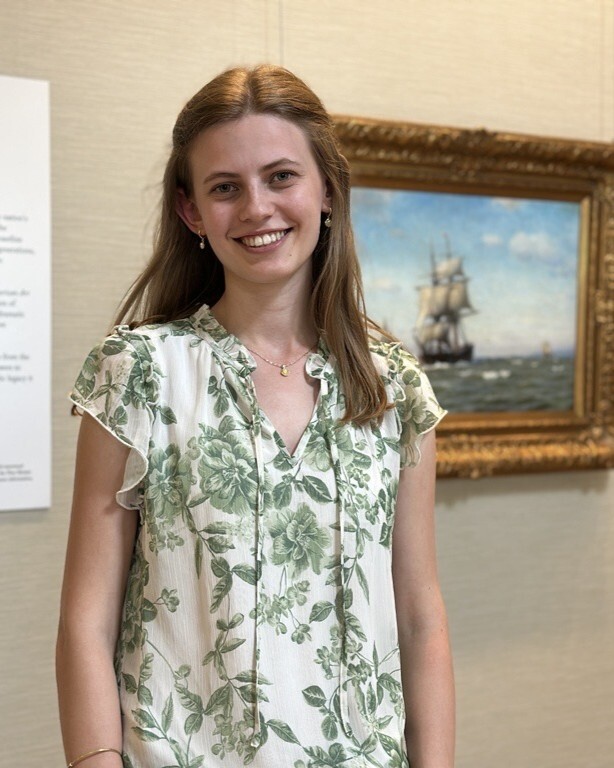
The Museum is thrilled to have Lydia Holleck as the inaugural Hamm Family Curatorial Fellow, a newly established, full-time fellowship designed to advance collections-based research, exhibition development, and public engagement. The establishment of the Hamm Family Curatorial Fellowship marks an important strategic investment in the Museum’s permanent collection—one of the most distinguished holdings of American art in the country. By dedicating focused scholarly attention to works in storage, the Fellowship ensures that exceptional and often under-exhibited objects are thoughtfully researched, contextualized within the American story, and brought into public view.
Going forward in the months ahead, visitors to the Museum can look forward to regular rotation of rarely seen Museum treasures in the Hamm gallery, through a series of thoughtfully curated installations. In November, the gallery will host works never before exhibited by Mary Cassatt. And in the spring, it will feature the Museum’s massive collection of works by Thomas Hart Benton. Keep returning as the dynamic initiative evolves. And in the meantime, take note of the Fellowship’s immediate impact across all the galleries, where newly unearthed works from the vault are enriching existing narratives, from the 19th century to the contemporary period.
This fellowship has been made possible by a generous contribution from the Hamm Family—Charles, Irene, and Liza Hamm—who have established a fund for collections activation as part of their commitment to innovation and to the Museum’s advancement as a leader in the field. It is designed to provide emerging curatorial professionals with substantive experience in scholarship, exhibition development, and public engagement while enriching the Museum’s presentation of American art.
What stories are waiting to be discovered in the Museum’s permanent collection? Let’s check in with Lydia Holleck, inaugural Hamm Family Curatorial Fellow, as she explores some of the remarkable photographs that have been part of the Museum’s collection for more than 20 years—and shares the fascinating discoveries that are bringing these works out of storage and into public view for the first time.
Collection Corner
By Lydia Holleck
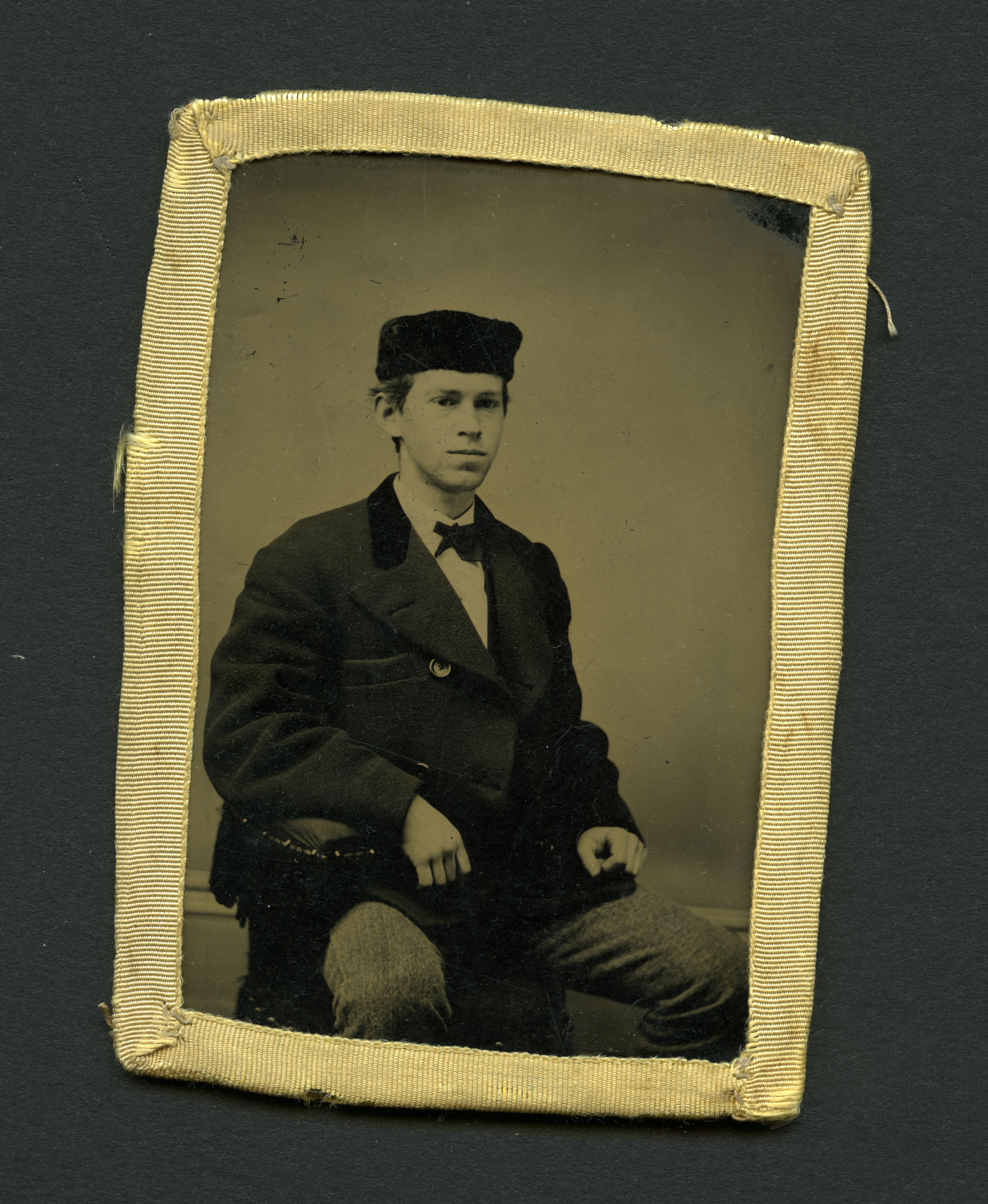
One of the most exciting projects I have worked on has been exploring the Museum’s collection of 19th-century photographs. Over 50 ambrotypes, daguerreotypes, and tintypes entered the Museum’s collection in 2005 but remained behind the scenes in storage and were never exhibited until now. These early forms of photography transformed portraiture by making personal photographs more widely available.
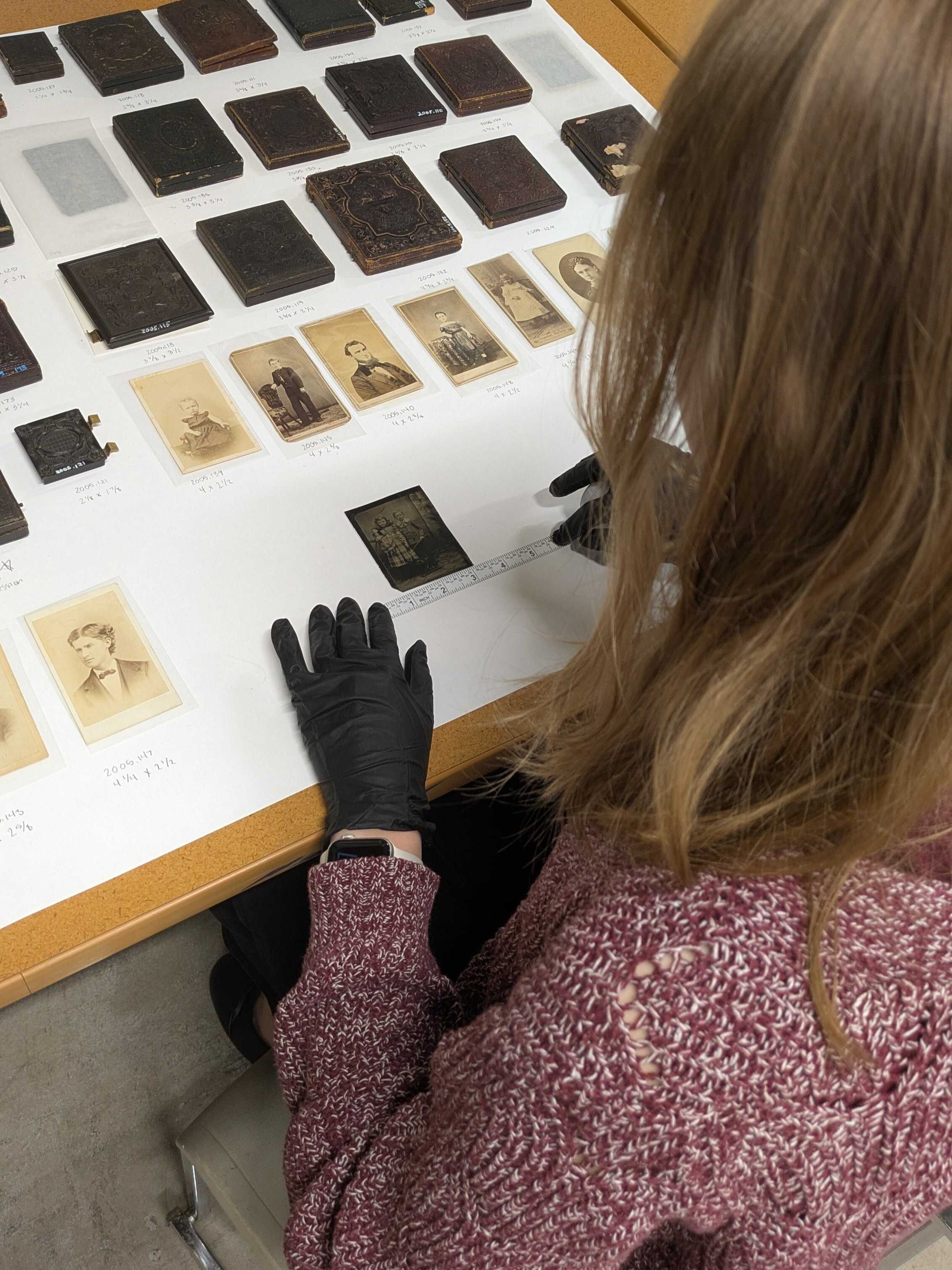
As part of cataloging the collection, I have been creating high-quality digital scans, documenting condition, and researching the people depicted in each photograph. While many of the sitters remain unidentified, one family has emerged from the collection in remarkable detail!
I identified several photographs of Isaac Amzi Stanley, whose family had deep roots in New Britain. Although Isaac spent much of his life in Indiana, his father, Amzi Stanley, was born and raised in New Britain, and his first cousins once removed, Frederick Trent Stanley and William Stanley, founded Stanley Works (now Stanley Black & Decker), creating a strong connection between these photographs, local history, and major currents in American innovation. In the earliest image, a daguerreotype from 1851, Isaac appears as an infant in the arms of his parents, Amzi and Esther Hughes Stanley. In another daguerreotype, he appears a few years later with his mother and younger brother, Cyrus Thomas Stanley. Additional photographs document Isaac at several stages of life, allowing us to watch one individual grow from infancy into adulthood while tracing the evolution of photography itself as an artistic medium flourishing in the United States during the 19th century. While the earliest photographs remain unattributed, later portraits can be connected to photographers through studio imprints and other clues preserved on the photographs themselves. Photography, as a democratizing medium, allowed for individual expression like never before. For the first time, portraits of everyday people, not just the aristocracy, took hold as a popular force in visual culture, echoing American ideals of freedom, self-expression, entrepreneurship, and the individual.
Several photographs from the collection are now on view in the Museum’s 19th century installations for the first time and will be rotated periodically to support their long-term preservation. The story of Isaac Stanley is only one of many still waiting to be uncovered. As cataloging continues, we are working to refine dates, learn more about the photographers and case makers who produced them, and identify additional family members and sitters represented in the collection. Each new clue helps transform these images from anonymous portraits by unknown makers into the stories of real people worthy of understanding and celebration as part of America’s rich visual and cultural past. We hope you will visit the Museum to see these remarkable photographs and the histories they reveal!